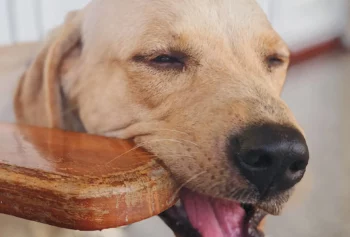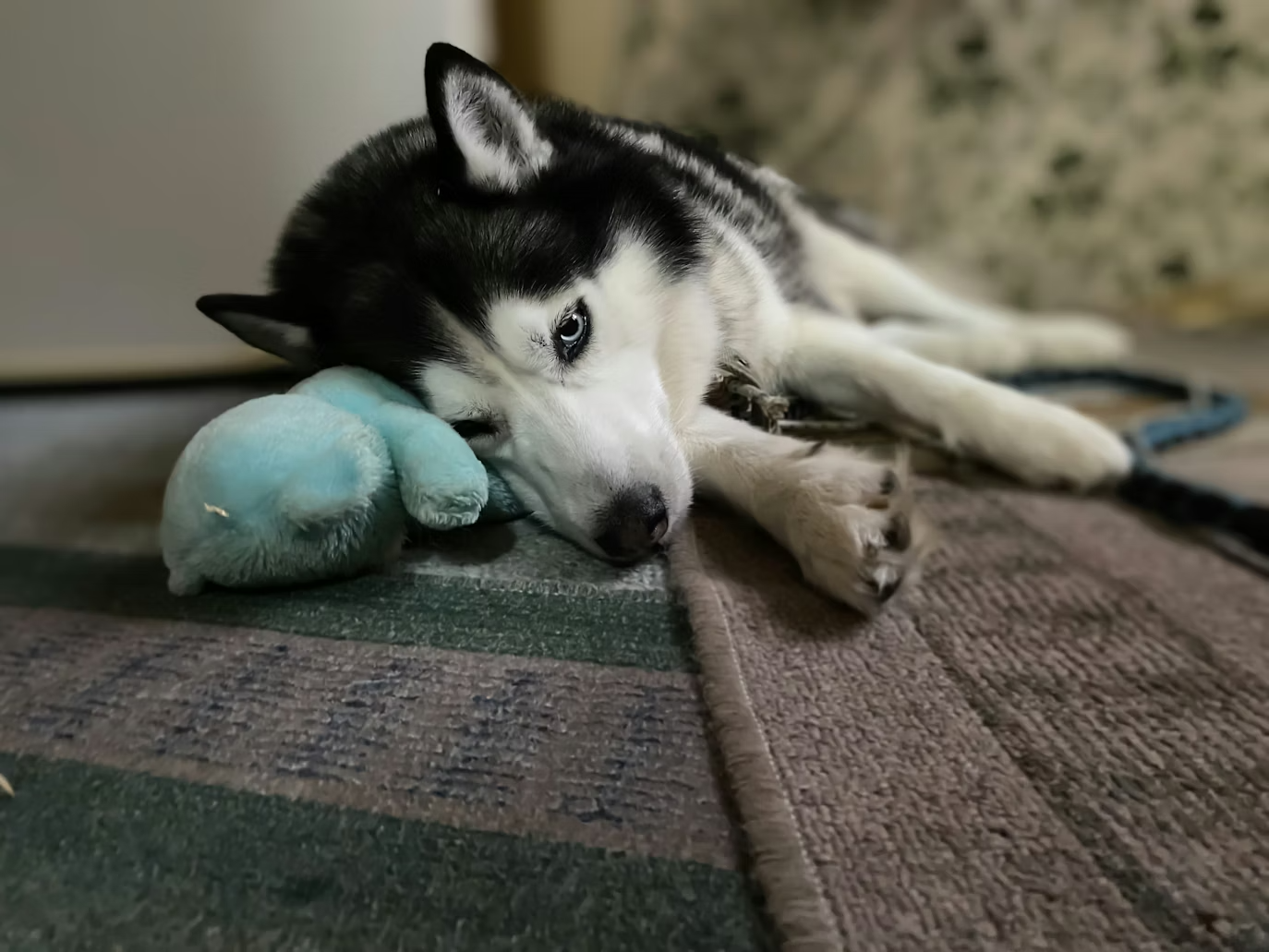
At first, I thought it was just a common behavior and didn’t pay much attention to it. But one day, I caught myself stopping mid-task, watching my dog quietly suck on his toy—and wondering what it really meant and why does my dog suck on his toy?
Dog Sucking Behavior: What it really means
The first time I saw my dog sucking on his toy, I honestly paused. It looked sweet-almost comforting, but at the same time, it made me wonder. Why does he keep doing this so often? Why in such specific moments?
I remembered standing there, laying my eyes longer than I meant to. Another part of me couldn’t help asking questions. Was he stressed? Is it a natural instinct? Or he was just simply entertaining himself.
If you’ve ever wondered “is toy sucking normal for dogs?”, the short answer is yes—in many cases, it’s a healthy and natural behavior.
What matters is understanding the core reason, as well as having a clear distinction to other behavior. Once you do, the behaviour starts to feel less concerning, and a lot less worrying.
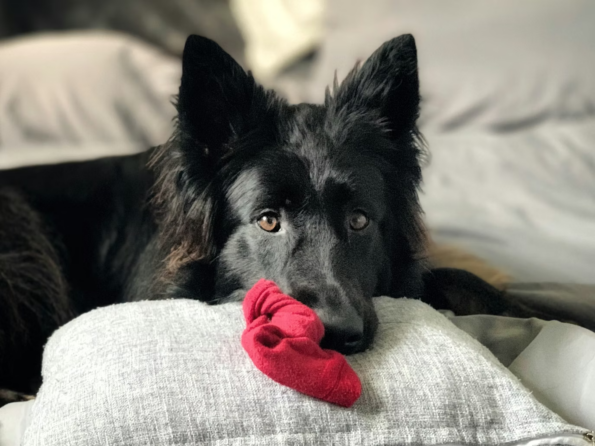
Here’s what I ended up learning along the way:
- Why dogs suck on their toys in the first place
- When this behavior is harmless and even comforting
- When it deserve a closer look
- How can we take better care of them because of it?
Not from a textbook view, but from paying attention, asking questions, and learning to see things from a dog’s point of view.
What Does ‘Toy Sucking’ Look Like?
Toy sucking is usually calm, repetitive and gentle. It doesn’t look frantic or intense, and it’s not likely to be aggressive or destructive. In fact, many dogs seem genuinely relaxed when they do it, almost the world around them fades into the background for a moment.
You might notice your dog holding the toy softly in their mouth, not biting down but simply keeping it there. Some dogs gently knead with their front paws, while others may lightly lick or sucking on the fabric. Their body language is loose and relaxed-no stiffness, no tension, no restlessness. Most dogs stay quiet and focused the whole time, completely into the comfort of the moment.
This behavior often shows up during slower parts of the day. You may see it before bedtime, after a long play session, or when your dog is settling down. For many dogs, toy sucking is a part of their routine-a familiar, soothing habit that help them relax.
Toy Sucking vs Destructive Chewing
At first glance, these behaviours might look similar, might even be identical. But in reality, they come from very different emotional places.
Toy Sucking:
- Gentle, slow, and repetitive
- Usually stay calm, relaxed the whole time
- Often linked to comfort or sleep
- The toy usually stay intact
Destructive or boredom chewing
- Hard biting, chewing, ripping
- Aggressive, overstimulated movement
- Often linked to excess energy, stress, frustration
- Toys or objects are destroyed quickly
If your dog is constantly whining, pacing, and chewing on furniture—often causing significant damage—this usually isn’t toy sucking. It’s a sign of a different need.
Understanding the difference can help us to identify the behavior more accurately, thus providing a better solution to the problems.
Why Do Dogs Suck on Their Toys?
For many dogs, sucking on a toy is simply just a way to calm themselves down. Over time, the toys become something familiar, something that smells like home and it feels safe. At that moment, the toy isn’t just an object anymore.
I like to think of it the same way as a child hugging a pillow or sucking their thumb when they are tired or overwhelmed. The action itself is gentle and repetitive, and that rhythm plays an important role. Light, steady sucking can trigger the release of a soothing, calming hormone in a dog’s body, helping them relax, settle their nerves, and feel more secure.
That’s why this behavior often shows up during quiet, vulnerable moments-before their sleep, when the dog is left alone, or even after a long and stimulating day,releasing tension, and bringing their body back into a calmer state.
As long as the behavior is gentle and the toy is safe, this kind of self-soothing behavior can be considered as healthy and natural to cope with their emotions.
Early Weaning or Puppy hood with Habits
Some dogs carry this behavior with them from puppyhood. When a puppy is weaned sooner than usual, the natural suckling phase can end before they are ready to let it go. Instead of disappearing, the brain switches to something else soft or having a familiar scent.
That’s why adult dogs may gently suck or lick blankets, pillows, or stuffed toys. It isn’t a sign or a problem- it’s simply a comfort habit that formed early and stayed.

Stress, Anxiety, or Changes in Environment
Sometimes, toy sucking shows up in a moment of change. Maybe you’ve just moved, maybe you are busier than normal, or maybe there’s a new pet in the house. Even small shifts like these can feel big to a dog.
When that happens, some dogs turn to their toys-Not to destroy them, but to soothe themselves. Gentle sucking can be their quiet way of coping while they adjust something new.
What I’ve learned is to look at the bigger picture.
If your dog is calm overall and only sucks during rest, then it is just a mild stress response and nothing to worry about. But if the sucking comes with pacing, whining, or destructive chewing, that’s a sign your dog might be more anxious than it seems.
Understanding the differences helped me worry less-and pay attention when it actually mattered.
Breed Tendencies & Personality
Over time, I started to notice that this behavior isn’t completely random. Some dogs are simply more inclined to soothe themselves this way, and breed tendencies play a role.
Breed that were historically bred to carry, retrieve, or stay closely connected to humans often show this behavior more naturally, these include:
- Retrievers (Golden Retriever, Labrador Retriever)
- Spaniels (Cocker Spaniel, Cavalier King Charles Spaniel)
- Shepherd-type dogs (German Shepherd, Australian Shepherd)
For these dogs, gently holding or sucking on a toy can feel instinctive rather than learned
Personality matters just as much. Dogs that are emotionally-sensitive or are very bonding with their owners often use quiet self-soothing behavior when they want to calm themselves down or feel safe.
You may notice toy sucking more often in dogs who are:
- Highly people-oriented
- Highly emotional-sensitive
- Strongly attached to their owners
- Naturally calm but often thoughtful instead of hyperactive
Once I looked at my dog’s breed traits and personality together, the behavior stopped feeling strange. It wasn’t something strange-it was just simply part of who he is and that’s his own way of finding comfort.
How to Support your Dog – Supporting the Behavior the Right Way
Once I understood why my dog was sucking on his toy, the next question should naturally follow: What should I do about it?
The answer wasn’t to stop the behavior-but to support it in a safe and healthy way.
Choose the Right Toy
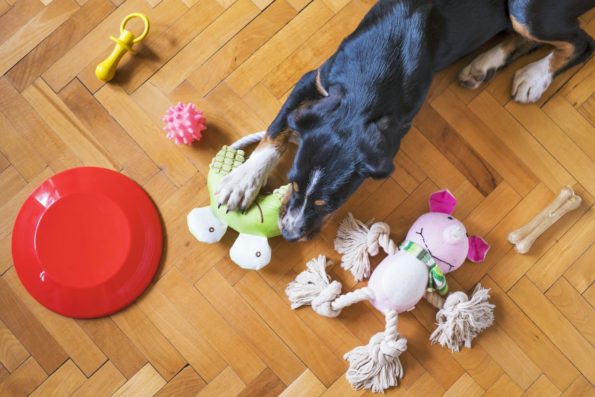
If your dog finds comfort in gentle sucking or chewing, the toy itself matters more than we often realize. The goal isn’t distraction, but providing something that feels right for your dogs-both physically and mentally.
When choosing a toy, I started paying attention to a few key things:
- Material
Soft enough to be comfortable, but sturdy enough to hold up over time, natural materials tend to feel more familiar and satisfying than synthetic ones, especially for dogs that chew slowly and intentionally.
- Safety
The toy should be non-toxic, splinter-free, and free to mouth for a long period.
- Size & Texture
The toy should fit comfortably in your dog’s mouth–not too small, not overly bulky. Subtle texture that prefers engagement instead of overstimulation.
For dogs that enjoy gentle chewing alongside sucking, I personally leaned toward coffee wood chew, like the one from Fivive, not only durable, naturally sourced but also designed to soften gradually rather than splinter. They gave my dog something satisfying to mouth without turning the behavior into destructive chewing.
More importantly, choosing the right toy helped to stop worrying. Instead of asking:”Is this behavior normal? Should I do something?”, I started to ask ”What are the appropriate toys for him?”-and that made all the difference.
Create a Calm Routine
A simple, predictable routine can make a huge difference. Consistent sleep time, quiet resting space, as well as having enough physical activity during the day help the dog settle better more easily when it’s time to rest. When their basic needs are met, calming behavior like toy sucking often stays balanced, quiet and gentle.
Do NOT Punish the Behavior
This part mattered more than it might seem.
Toy sucking isn’t a bad behavior. It is not disobedience, or something your dog is doing to push limits. Treating it like a problem would most likely push it into a bigger one.
Punishing the behavior by taking the toys away, scolding or interrupting it,.. Doesn’t teach your dog anything useful, it only makes a self-soothing session into a moment of confusion or unease. Over time, that can increase anxiety rather than reduce it.
As a dog owner, it’s easier to react first than to reflect. But not every behavior needs fixing. Some behaviors need understanding. When a dog is quiet, settled, and not causing harm, our role isn’t to control-it’s to protect their sense of safety.
Supporting your dogs sometimes means choosing not to intervene, but to trust that such behavior doesn’t require correction.
Frequently Asked Question(FAQ)
- Is it the same as chewing?
No. Toy sucking vs chewing comes down to intensity—sucking is calm and repetitive, while chewing is often fast and destructive.
- Do dogs outgrow this behavior?
Some do, some don’t. But the main reason for some dogs to carry this habit to adulthood is due to the weaned period, but as explained above, as long as it stays gentle, there is nothing to worry about.
- Should I take the toy away?
In most cases, no. If the behavior is calm and the toy is safe, taking it away can cause unnecessary stress.
- When should I be concerned?
In most cases, this behavior isn’t something to worry about. However, it’s worth paying closer attention if the behavior starts to change. If the sucking becomes more intense, aggressive, or turns into tearing and destroying objects, that’s usually a sign that something else is going on. That’s the point where taking action matters.
Seeing your dog suck on a toy can raise questions, but in most cases, it’s simply a gentle way for them to feel calm and secure. This behavior often comes from comfort, routine or personality-not from a problem that needs fixing. With a safe toy and a calm environment, toy sucking can remain gentle and balanced. Sometimes, the best support is understanding when a behavior is perfectly okay just the way it is.
See more:
What Is Coffee Wood Dog Chew? A Natural Chew Made for Dogs Who Love to Gnaw

Written by John Nguyễn – co-founder of FIVIVE GLOBAL CO., LTD.
Hi, I’m John, co-founder of FIVIVE in Vietnam’s Central Highlands—where coffee wood is everywhere. We turn leftover branches from coffee trees into natural chews, keeping things simple, clean, and honest. At FIVIVE, we believe in giving your dog something real—nothing more, nothing less.