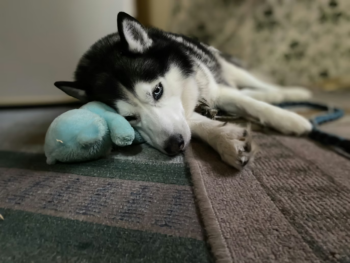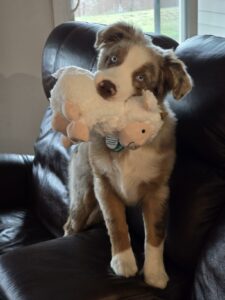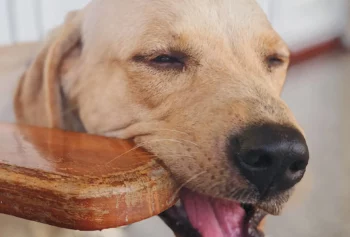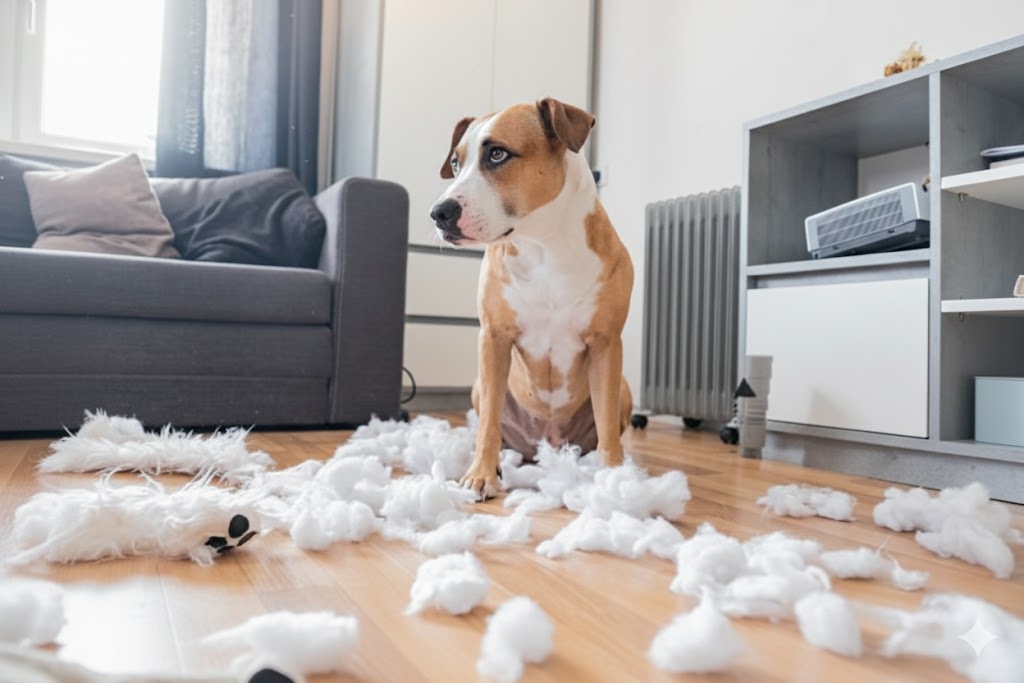
I used to think that when my dog tore things apart—usually his toys—it was because I hadn’t taught him how to play properly. But after watching him more closely, I realized something simple: for many dogs, tearing toys apart is the game. For dogs, the mouth is their main way of exploring the world. Instinctive behaviors like shaking, pulling, and ripping don’t disappear just because the “prey” happens to be a toy. Understanding this helps explain why dogs destroy their toys so quickly—and why stopping the behavior isn’t always the right solution.
Once I saw it this way, I stopped asking how to prevent toy destruction. Instead, I focused on working with my dog’s natural way of playing, rather than constantly intervening.
Natural Dog Behavior and Instincts
Innate Chewing instinct
One of the biggest things I have to accept is that: Chewing isn’t a bad habit your dogs pick up-It’s something they were born with.
Long before dogs became our companions, chewing had a clear purpose. Their ancestors relied heavily on chewing to hunt, break down food, crush bone and survive. That instinct in fact is still there today, even though meals have been served in bowls and their “prey” now look like a plush toy lying on the ground.
When a dog chews intensely or tears into a toy, it’s often not about misbehavior. It’s about fulfilling a natural urge to use their mouth with purpose. The resistances, the textures, the act of something breaking down-It all satisfies their instinctive needs.
Prey Drive
Some dogs have a stronger prey drive than others, especially breeds that are “built” for hunting like terriers, retrievers, or beagles. For them, toys-particularly squeaky ones-can feel surprisingly similar to prey.
The movement, the resistance, and sound all work together. Once the toy squeaks, many dogs shake, push or tear it apart as if they finished their hunt. That’s often why squeaky toys didn’t survive long-the behavior isn’t random, it’s instinctive.
Play Style and Engagement
Not all dogs play the same way. Some may enjoy following or carrying toys around. Some find joy in ripping, shaking and shredding things.
For these dogs, destruction isn’t frustration-it’s engagement. Tearing toys apart gives them a sense of interaction and satisfaction, similar to how hunting or tug-style play would. Once I saw this as a play preference rather than a problem, a lot of questions like “why does he do this?” starting to make sense.
Common Causes Why Dogs Destroy Toys
Boredom and Lack of Stimulation
When dogs don’t get enough mental or physical stimulation, toys often become a way to pass time. Chewing, ripping, or tearing things apart gives them something to focus on—especially when there’s not much happening around them.
This usually isn’t about mischief. It’s simply a way for dogs to keep themselves occupied
Excess Energy
High-Energy dogs need a way out. When that energy doesn’t have a way out through exercise like running, play, training… Toys are the easiest target.
In these cases, toy destruction is simply just a way for leftover energy looking for a release.
Separation Anxiety
If toys are destroyed mostly when you’re not home, anxiety could be part of the picture. When dogs feel uneasy or stressed about being alone, chewing can help them cope by releasing calming hormones in the brain.
This type of destruction is usually less playful and more emotionally driven.
Teething in Puppies
For puppies, chewing is almost unavoidable, in fact it is needed. Sore gums, growing teeth and curiosity all combine into one strong urge to chew-often intensely.
This phase can make toys disappear quickly, but luckily it’s also temporary. Because of that, what matters most in this phase is through offering safe, appropriate items as well as keeping a mild environment while they grow out of it.
Lack of Training or Direction
Some dogs simply didn’t understand what an “appropriate play” looked like yet. Without guidance, they don’t know the difference between a toy meant for destruction or a toy meant for gentle play.
Understanding this made me realize that it’s just a learning gap that can be shaped over time.
Inappropriate Toy Selection
Not all toys are built for all dogs. Soft plush toys, weak seams, or thin fabric don’t stand a chance against dogs that chew with intensity.
Sometimes the issue isn’t the dog at all-it’s the toy being mismatched to their chewing style.
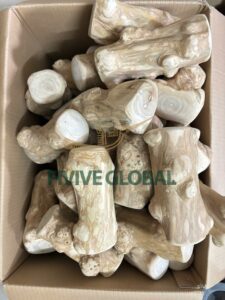
In my case, switching to a natural coffee wood chew like the one from Fivive gave my dog something durable enough to satisfy his chewing instinct-without turning playtime into constant destruction.
Reinforced Behavior
Dogs repeat that work. If tearing toys apart consistently brings attention, laughing, reaction, talking-they may see it as rewarding.
Even unintentional reactions can reinforce the habit, making toy destruction happen more frequently over time.
Risk Factors and Potential Problems
Safety and Health Risks
Most of the time, destroyed toys are just a mess on the floor. But there are moments that are worth being careful. Small pieces, stuffing or broken parts can be swallowed, and that can lead to choking or internal injury in general that require veterinary care.
This is why checking toys regularly as well as removing them when they start to break down matters more than we often think.
Dental Issues
Chewing itself isn’t harmful, but chewing the wrong things can be. Toys that are too hard, poorly made or in many cases break into splinters can cause sore gums, cracked teeth or developing dental problems over time.
A good rule of thumb is this: If a toy feels uncomfortable when you press it against your palm, it’s probably too rough for your dog’s teeth.
Escalating Destruction
When dogs don’t have enough safe outlets for their energy or chewing needs, toy destruction can slowly shift into something else. Shoes, cushions, furniture-anything within reach can turn into their target.
At that point, the issue isn’t the dog. It’s a sign that their physical or mental needs aren’t being fully met yet.
How Dogs Play with Different Types of Toys
Plush Toys
Plush toys are often the first to go. Many dogs seem to head straight for the stuffing or squeaker, almost as if they know exactly what the “reward” is. Once that part is gone, the toys quickly lose its appeal
For dogs that enjoy gentle chewing, plush toys can still work. But for dogs with stronger chewing or prey instinct, the toy is usually short-lived
Squeaky Toys
Squeaky toys tend to trigger a very focused response. The sound grabs attention, and many dogs won’t stop until the squeaker is silenced.
This doesn’t mean squeaker is bad, it just tends to get destroyed much faster than others. For some dogs, removing the toy feels like completing the game.
Rope and Fabric Toys
Rope and fabric toys are popular for tugging and pulling. The texture gives dogs something to grip, and for many, shredding loose fibers is part of the fun.
However, once steams start to loosen, these toys can unravel quickly, especially with dogs that like to go rough or chew with intensity.
Durable Rubber or Hard Toy
Harder toys tend to last longer due to its thick layer and a durable texture. But don’t underestimate our chewers’ natural urge to chew, power chewers can still wear them down over time, crack them, or break pieces off.
These toys work best when matched to the dog’s size, jaw strength, and chewing style-and even then, they still need regular checking.
Strategies to Reduce Toy Destruction
Appropriate Toy Selection
One of the biggest changes comes from choosing toys that actually match your dog. Sizes, jaw strength and chewing style matter a lot more than just how cute it looks on the shelf.
Dogs that chew slowly and with focus often do better with tougher, more natural toys material, while softer toys work with a more gentle player. Once I started choosing toys based on my dog playstyle instead of its aesthetic, the number of destroyed toys dropped noticeably.
Rotate and Vary Toys
Leaving every toy out all time can make them lose their appeal quickly. Rotating toys every few days keeps things feeling “new” and reduces boredom-driven destruction.
Sometimes, it’s not about buying more toys-it’s about managing the access that you already have.
Supervised Playtime
Watching how your dog interacts with toys can tell you a lot. When playing, turning to frantic ripping, chewing, this is usually a good moment to step in.
A simple redirection-asking for a command, offering a different activity, or switching to a sturdier chew-often better than just let destruction run its course.
Increase Exercise and Mental Enrichment
A tired dog usually chews less destructively. Daily walks, play sessions, training games, or problem-solving toys help to release both physical and mental energy.
When those needs are met, toy destruction will slowly become a more controlling and calming action.
Training and Commands
Teaching cues like “drop it” or “leave it” doesn’t mean stopping play, it means giving structures. These commands give you a way to pause or redirect without turning playtime into conflict.
Over time, this helps dogs to understand boundaries while still enjoying their toys.
Provide Chew Alternatives
Some dogs don’t want to “play” with toys, they want to chew. Offering appropriate chew alternatives can satisfy that urge without turning them into confetti.
Puzzle feeders, treat-dispensing toys, or long-lasting natural chews can give dogs something to focus while keeping destruction in check.
When to Seek Professional Help
If toy destruction feels extreme, sudden, or closely tied to anxiety, stress, or major life changes, it may be time to look deeper.
A veterinarian or behaviorist can help determine whether the behavior is rooted in anxiety and guide you toward the right training or support plan. Sometimes understanding the emotional side makes all the difference.
Toy destruction is often normal when viewed in the right context-instinct, energy levels and emotion needs all matter. With appropriate toys, enough exercise, clear guidance, this behavior can be managed, and playtime becomes healthier for both dogs and owners.

Written by John Nguyễn – co-founder of FIVIVE GLOBAL CO., LTD.
Hi, I’m John, co-founder of FIVIVE in Vietnam’s Central Highlands—where coffee wood is everywhere. We turn leftover branches from coffee trees into natural chews, keeping things simple, clean, and honest. At FIVIVE, we believe in giving your dog something real—nothing more, nothing less.